
Waveshare GPS L76K With Raspberry Pi Pico 2
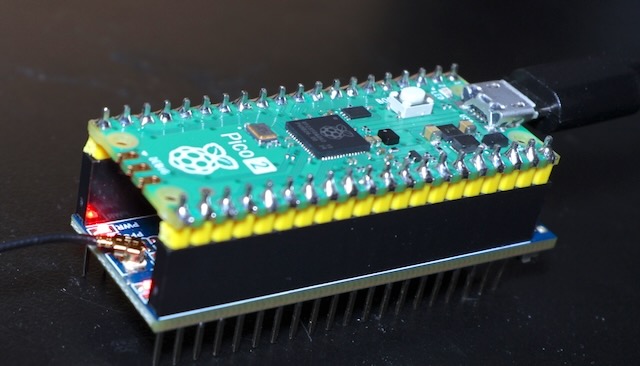
For the first time in a LONG time I don’t have any reviews inbound to John’s Tech Blog. And what that means is that I now have time to write about my own projects. Up today is the Waveshare GPS L76K module paired with a Pi Pico 2.
This is a super simple project however it took me a day to figure out how super simple it is. I was way overthinking this. While I have tons of experience with Raspberry Pi and Arduino, the Pico ecosystem is unlike anything I’ve used before. Additionally, it took me a bit to work through it.
Items Needed
- Raspberry Pi Pico 2 – This has pre-soldered headers. You can also use the original Pico.
- Waveshare GPS L76K – The chipset is from Quectel.
- A Windows, Mac, or Linux computer to run a program called Thonny.
Make sure to download Thonny as we’ll be needing it pretty soon.
Getting The Board Ready
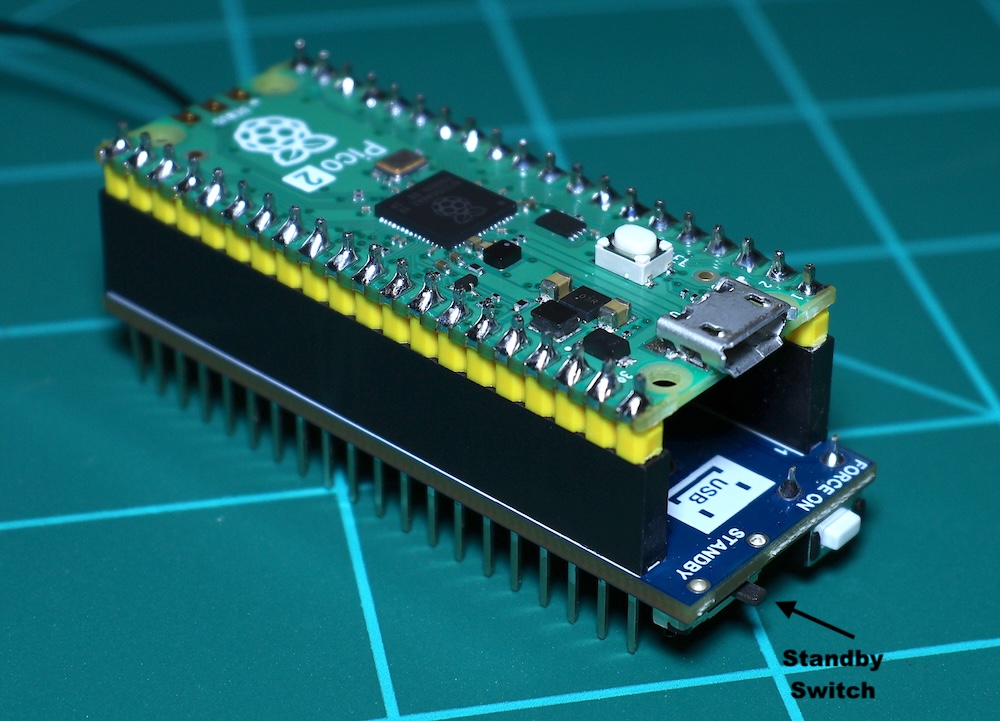
Not too much to do here. Make sure the Standby switch is set as depicted below. You’ll never get a flashing GPS LED if it is in the other position.
You must first install MicroPython on the Pico. Waveshare says you should use their version which you can download from here. If you scroll on the left side of the page down to “Flash Firmware” that’s what you want.
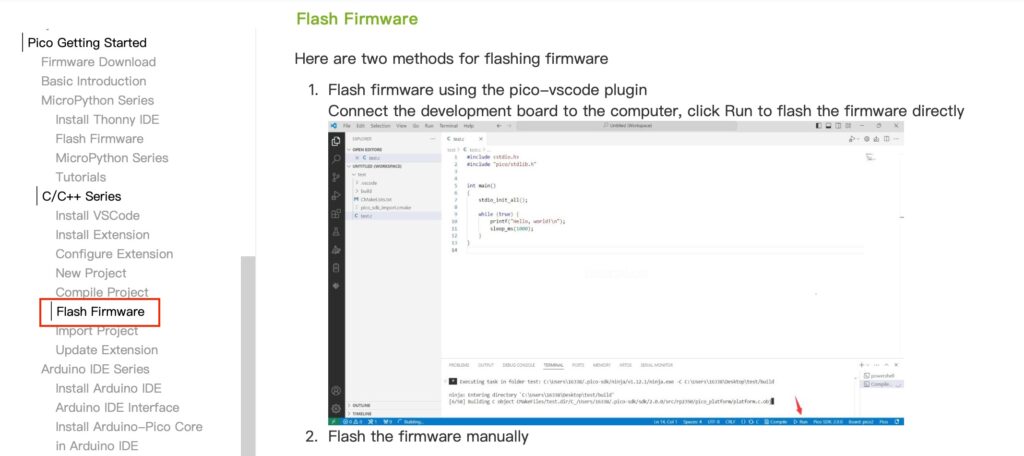
There are four files there and all should work. However, make sure you get the file for your particular variant of Pico. I got the Pico 2 file. The MicroPython file will have an extension of .uf2
Copy that file and then take your Pico and Waveshare assembly and hold the BootSEL button on top of the Pico while you are plugging the USB connector in. It will mount the Pico as an external drive and simply paste your firmware file in that folder. It will automatically reboot.
GPS Sample
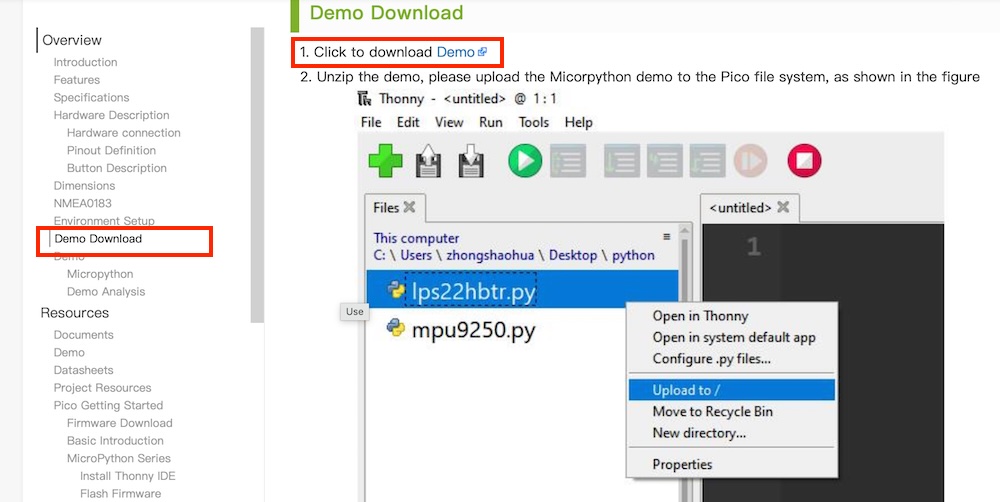
Now download the code for the GPS. On the same page as you went to before, look on the left and scroll down to “Demo Download”
Thonny
Open Thonny. Go to Tools > Options then select the “Interpreter” tab and then select MicroPython Pico and the COM port of your computer where the Pico/GPS is connected.
Actually, let me just show you a video that explains it all.
That’s all there is to it.
Once you get your coordinates you can plug them into Google Maps to find your location.
That’s a really interesting combination. I’ve been looking at Pico projects lately – it seems like a great little board for GPS applications.